Google
 
The Web
This Site


Restoration

When the Australian pine, Brazilian pepper, carrotwood, Melaleuca, and Schefflera are removed, what will the islands with upland dredge spoil areas look like? This is a great question. As seen below we have 35 years of ecological history to look back on to see which native species have naturally recruited in those areas where exotic invasive species have not prevented them from growing. 

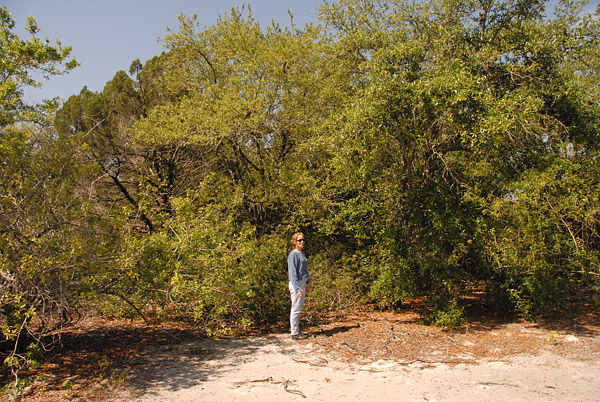
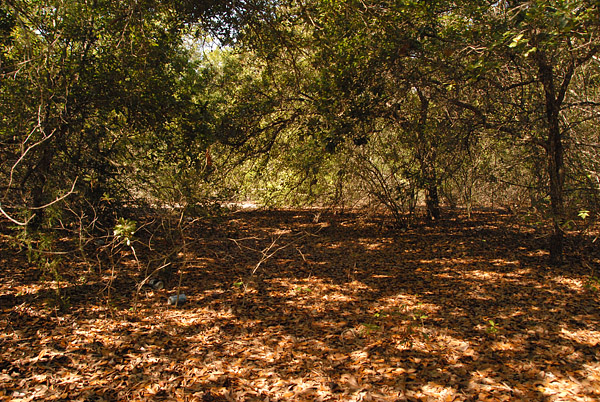
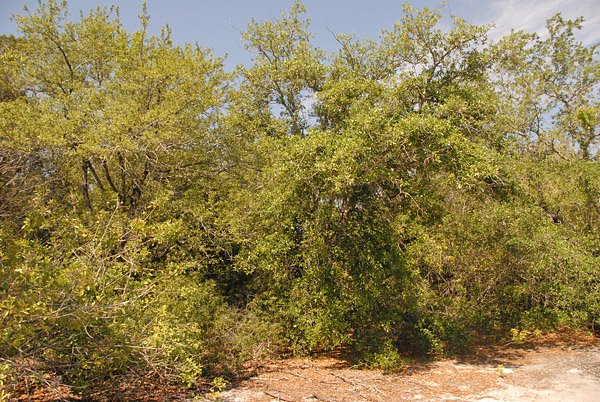
Some folks are worried that when the Australian pines are gone there will be nothing there but bare sand. No one need worry about this. In several areas with dredge spoil there is already a strong growth of laurel and live oaks (Quercus laurifolia and Q. virginiana respectively). 

DSC_0033

Stand of naturally recruited oaks on dredge spoil, with person for scale.

DSC_0029

Oak hammock on dredge spoil with good canopy coverage.

DSC_0035

Together with red cedar, Florida privet, wax myrtle, sabal palm, palmetto, and the tropical hammock species that have also naturally recruited on dredge spoil, these oaks will provide a vastly superior habitat to the pines, peppers, and other non-native plants found on so many islands.

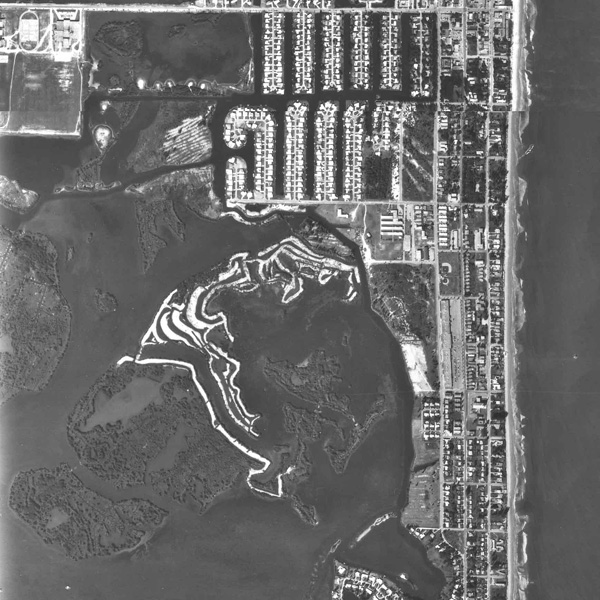
One issue some people have with restoration and removal of non-natives is the reliance by land managers on natural recruitment of plants, rather than planting. They also want to see some sort of trial areas to demonstrate how plants will grow back. EEL simply doesn’t have the personnel or budget to do this, but fortunately aerial photographs of Mosquito Control work done in the 1960’s show us how quickly native plants will recruit on bare sand when not out-competed by non-natives. Notice the well-developed mangrove edge in the bottom photo.

In this photo below from 1969, we see an area of the islands just west of Ramp Road. Notice all the white, which is bare sand on newly created dikes.

1969_600

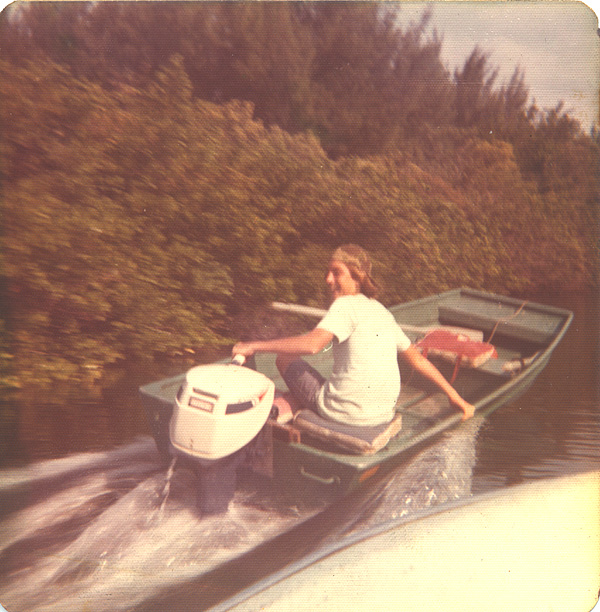
In the photo below, from the same area, taken during the summer of 1973, notice how the vegetation has completely covered the bare sand in the previous picture.

TedBoat1973

Just 4 years later and mangroves have densely colonized the edges and Australian pines have already invaded the central parts of the dikes.

 Home   Origin   Ecology   Species Accounts   Pictures   Books   Kayaks/Compasses   Identification   Definitions   Cape Canaveral/KSC   Bio   Contact   Links 

Copyright 2007 by Tim Kozusko - all rights reserved